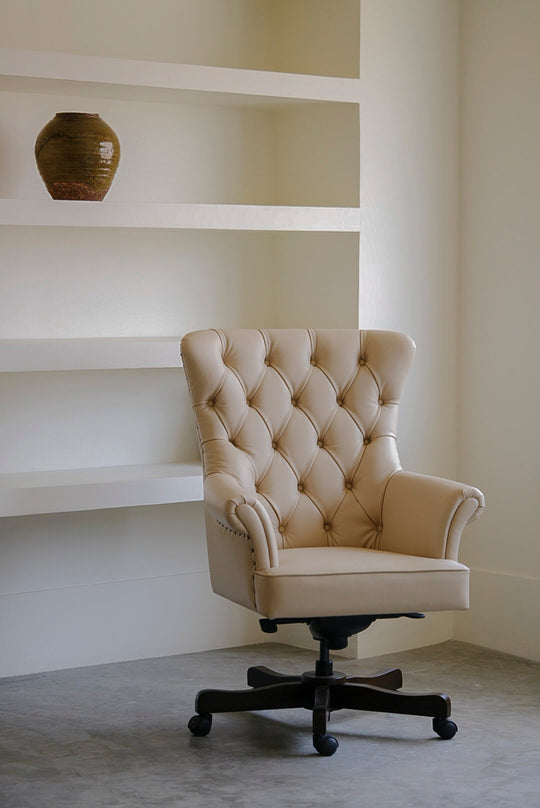
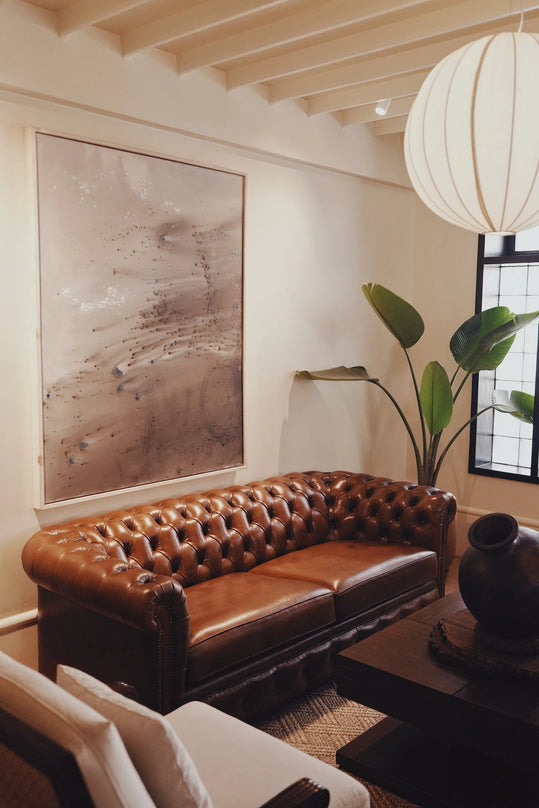

A day before the 9th, we spent the hours moving pieces into the Infantry road showroom, of which, the extension had only been completed days earlier. It felt strange to be unveiling an extended space and forty years of history in the same evening. But perhaps that was fitting. There is a particular kind of quiet that settles into a room once the furniture has been moved, the pieces dusted down, and the first guests were still hours away. We stood in that quiet, looking at pieces that hadn't left our workshop in decades, and felt, for a moment, exactly as old and exactly as young as we are.
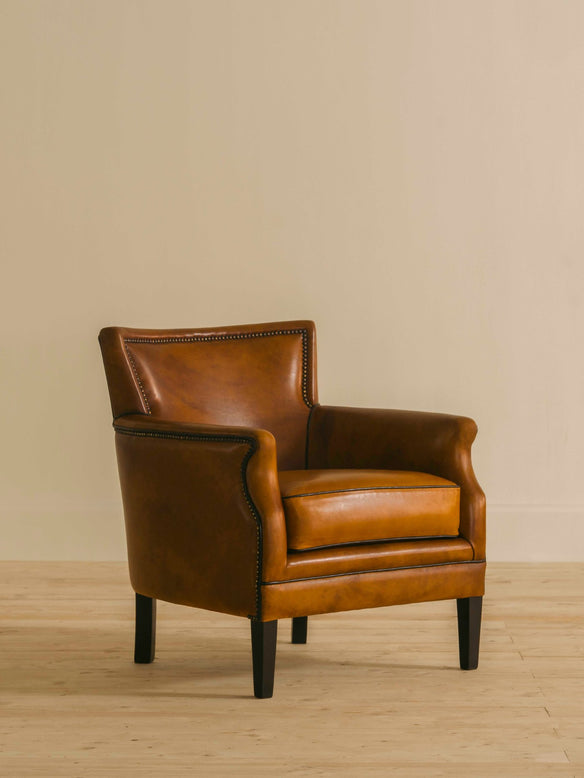
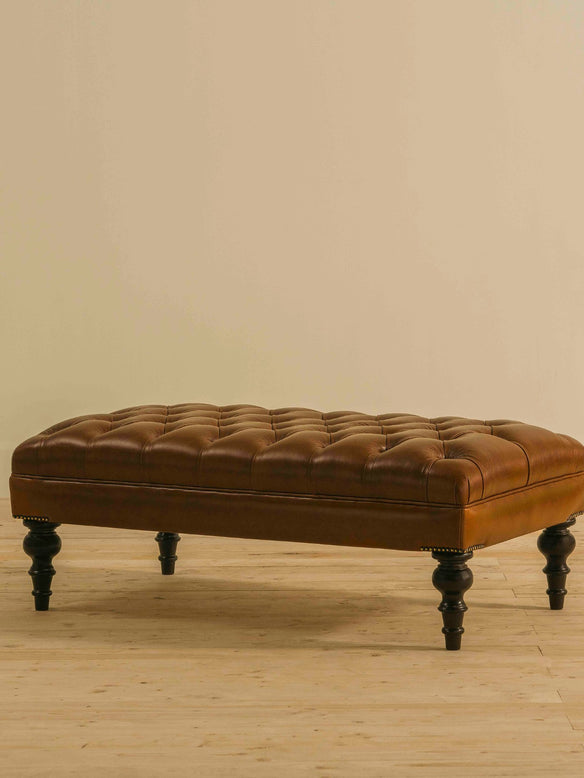
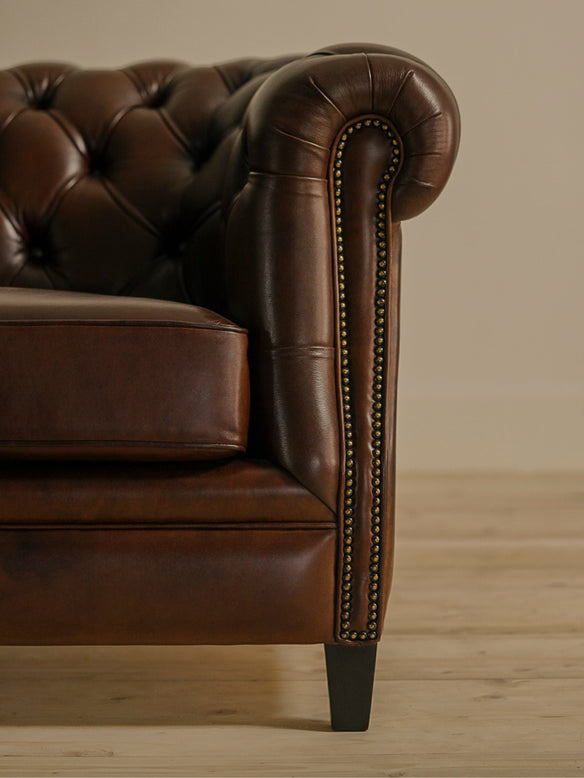
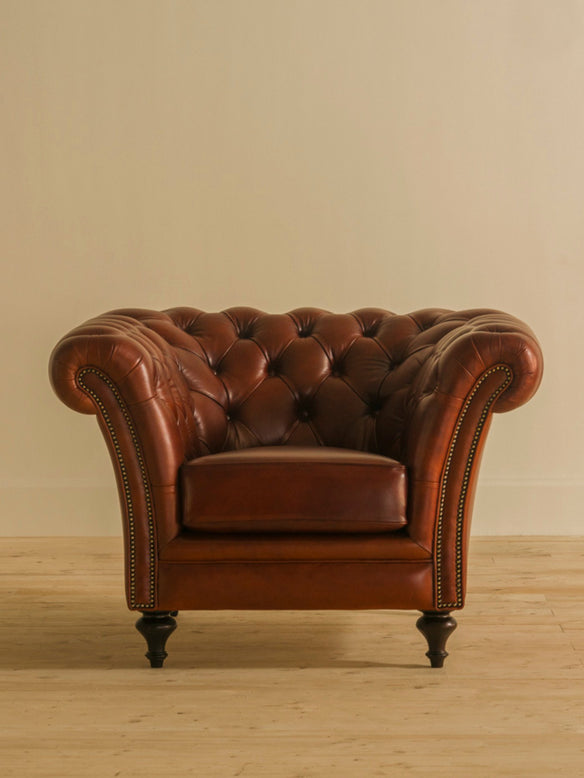
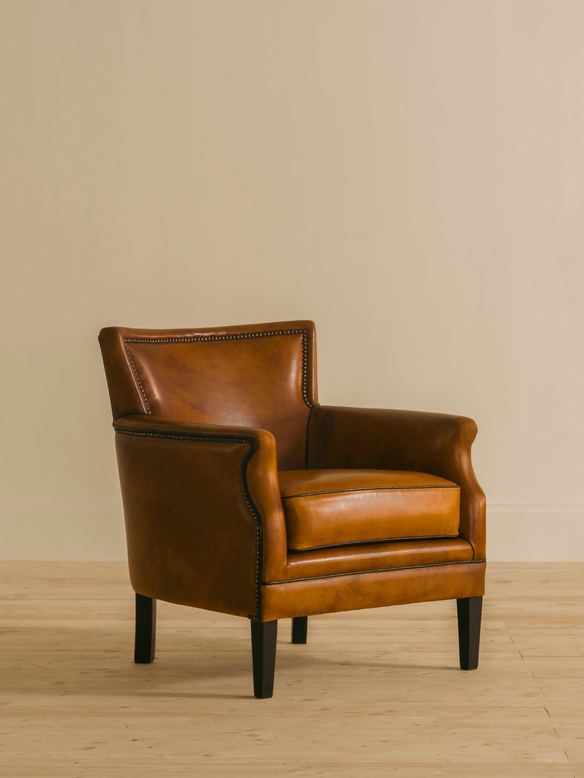
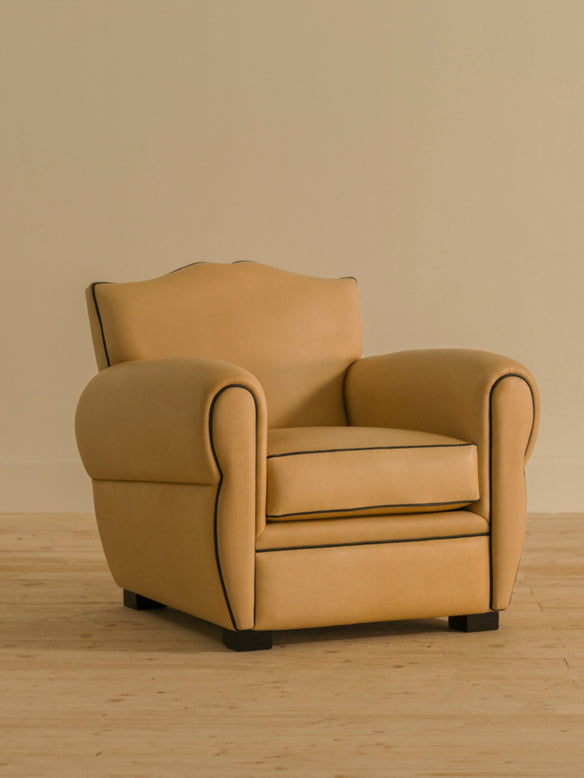
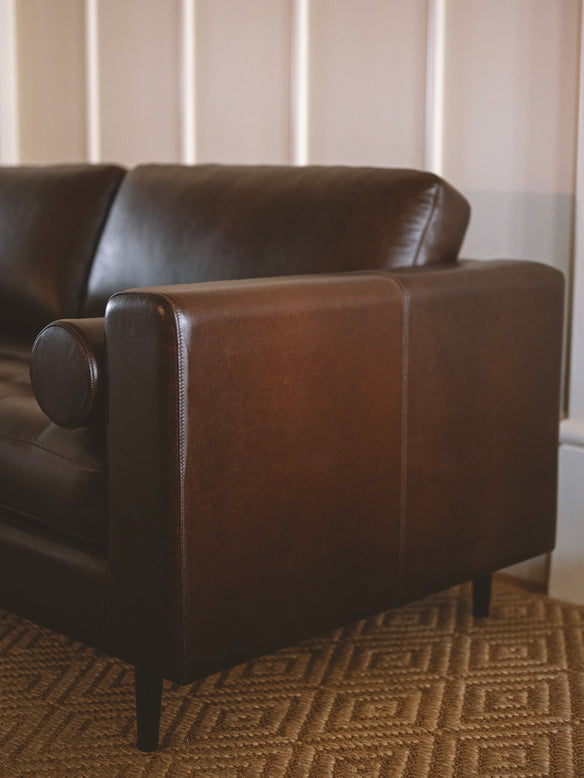
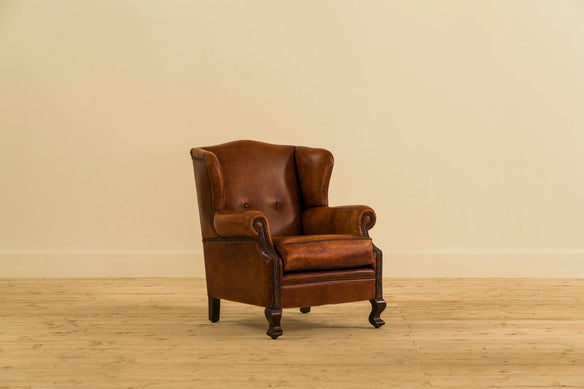
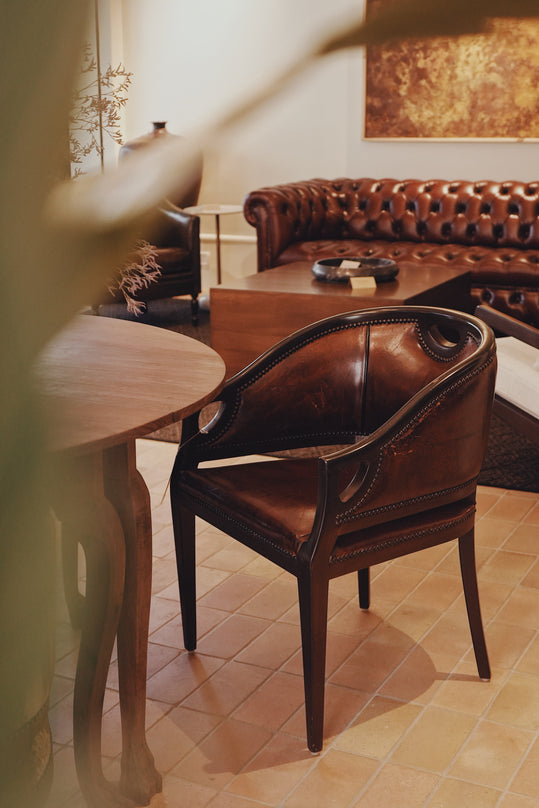
 By early afternoon, the pieces were arranged. A Brown Saheb two-seater that had spent thirty-seven years in storage was carried out into daylight for what might be the first time in a decade. At the entrance sat a pair of Tiffany tea-time armchairs from our very first 1986 collection, made ten years apart, from leather sourced out of the same ranch in British Columbia, stood close enough to compare side by side. We noticed, arranging the room, how differently each piece had aged. Nearby, a Johnwood the Elder that had lived in the founder's own home since 2001 sat across from a Knight Chesterfield we had finished only this year, the leather still finding its way toward the depth the older pieces already have.

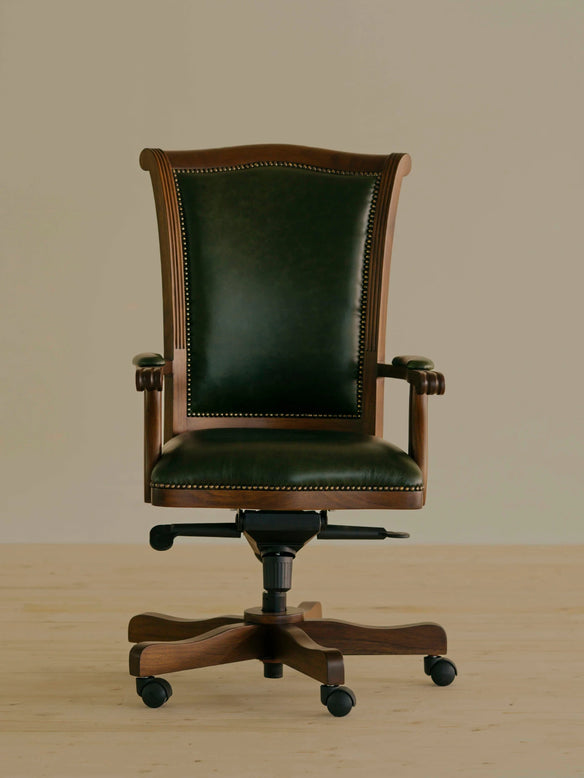
Guests began arriving a little after six, as the light outside was just beginning to turn. We had wondered, in the days before, what an evening like this should feel like. Not a launch. Not quite a retrospective either. Pieces designed and upholstered by our founder in the 1980s sat beside chairs that have quietly lived in the workshop for years, waiting, we suppose, for an occasion exactly like this one.

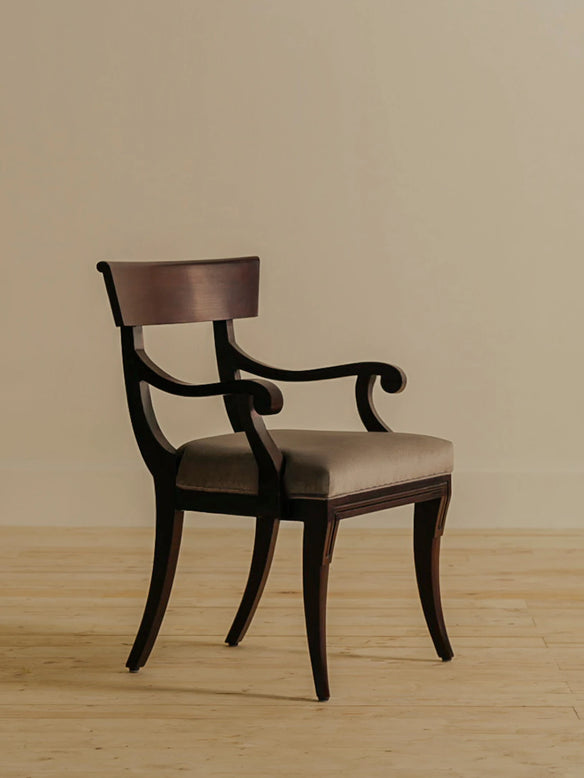
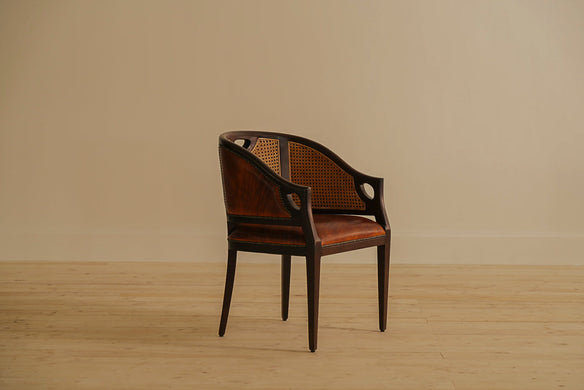
There is a particular kind of listening that happens when people who understand craft are given permission to simply look and eventually, to sit. People do not admire a chair from across the room. But instead, lower themselves into it, mid-sentence, almost absently, and something in their posture settles. Someone spent several minutes with the Duchess, tracing the tapered back before asking about its origins. Someone else found the small surprise we'd tucked beneath the Reagan dining chairs. An experiment in hand-dyed leather we'd almost kept to ourselves, and laughed out loud when they found it.
Comfort is the reason the form exists at all. The wingback on a chair was once designed to keep a draught off one’s head. The depth of a seat was a decision about how long you were meant to stay seated. Very little of it can be explained, instead it needs to be experienced. Which is something we were able to watch in a room full of people discover that for themselves, without having to say much about it.

A personal archive is a strange thing to celebrate, because it is a record of how much has changed. The leather used in 1986 is not the leather being used now. The technique our craftsmen brought back from the Netherlands in 1994 has been adjusted a hundred small ways since, by people who have spent their whole careers refining it. Even the hand-dyeing of the hides, which looks the most traditional of everything we do, is still being experimented with.

Which is perhaps the only honest thing to say about forty years. We did not set out to build a legacy. We set out to make chairs we thought were worth making, and kept the ones we could not bear to part with, and looked up one evening to find a room full of people who understood exactly why. Afterward, we did what most people do at the end of a long, good day. We sat down, in whichever chair was nearest, and stayed a little longer than we needed to.