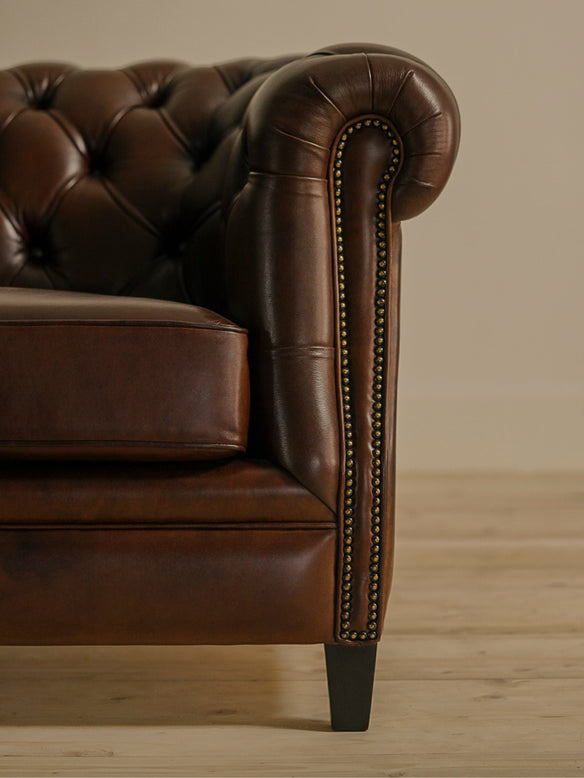
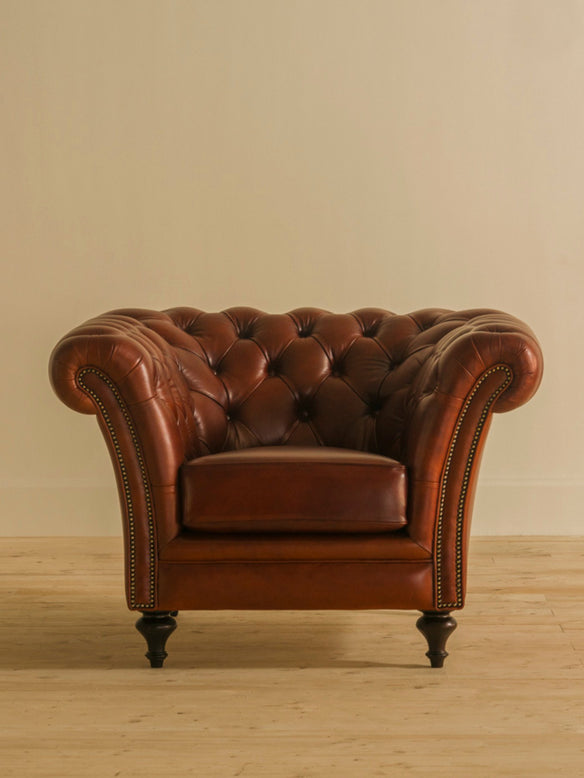
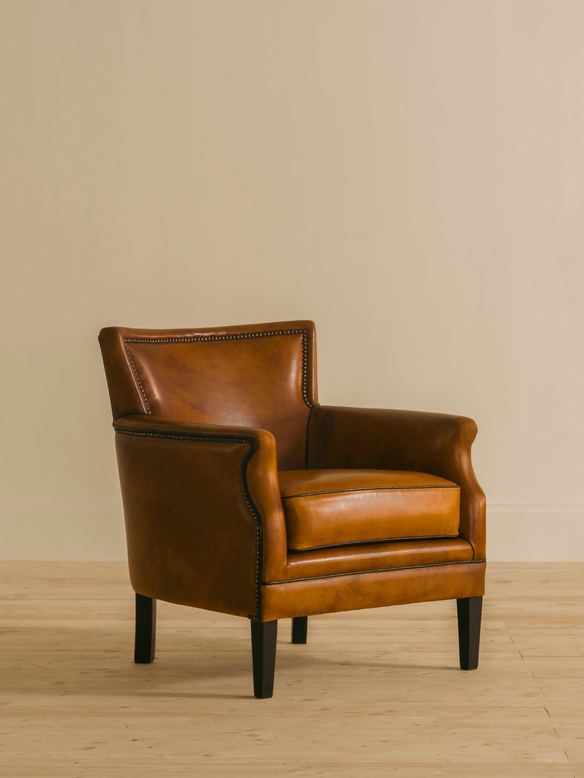
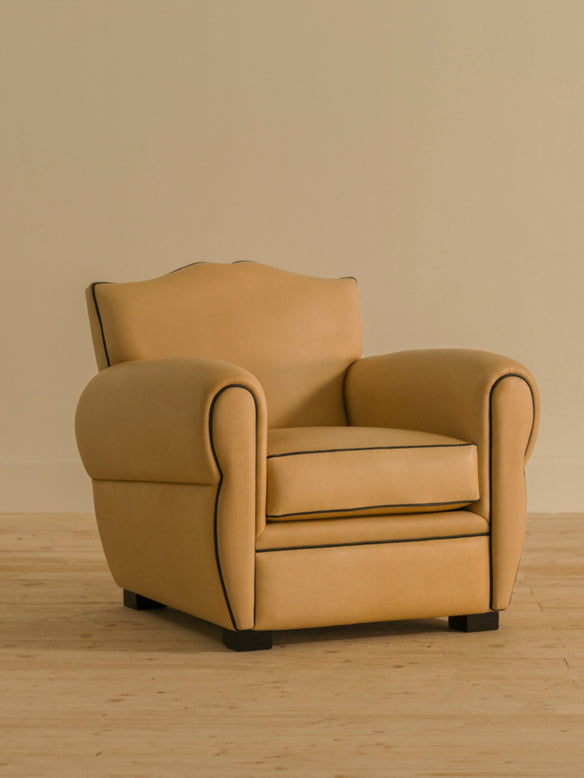

In cinema, every detail is deliberate. Lighting sets the mood, costume defines personality, and set design quietly tells us who a character is before they ever speak. Among these elements, few pieces of furniture carry as much narrative weight as the Chesterfield sofa. It is more than a backdrop, it is an instrument of character building and visual storytelling.
A Chesterfield does not simply occupy a room; it shapes the essence of the scene. It tells us where we are, who holds power, and why this moment matters.
A Silent Tool of Character Development
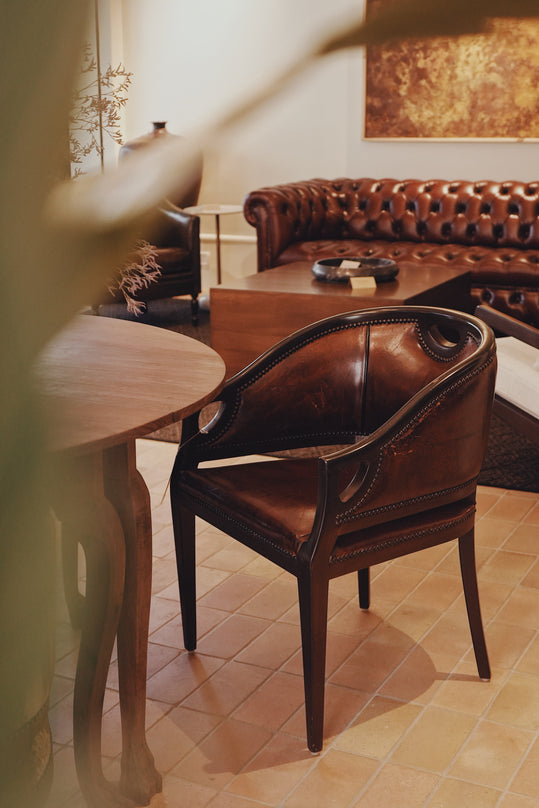
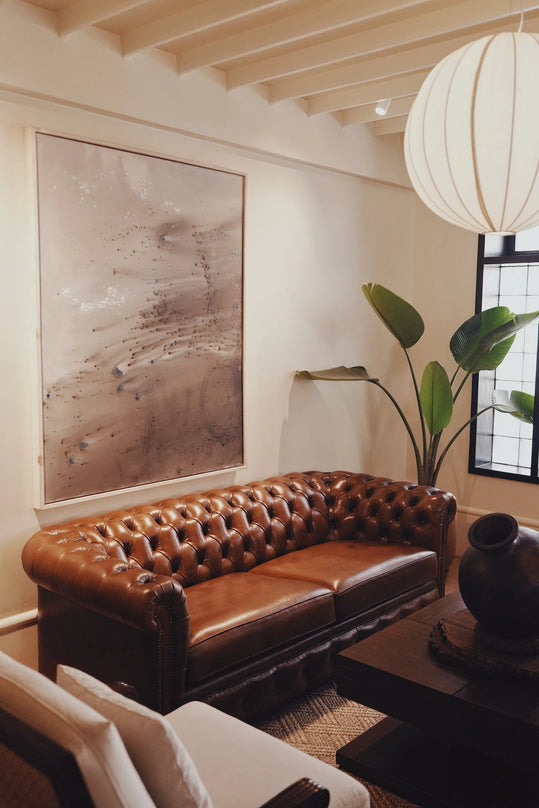
Closely looking at scenes of command and control in cinema, the rooms of authority almost always feature a Chesterfield. Whether in a statesman’s office, a secret service headquarters, or a gentleman’s club, the presence of a luxury leather sofa with deep buttoning and substantial form is rarely accidental.
Why does this happen so consistently?
Because a Chesterfield communicates without words. Its low, grounded posture, generous proportions, and tailored detailing convey confidence, permanence, and control. When a character is seated on one, the viewer instinctively understands their position in the hierarchy. The furniture itself participates in the storytelling.
Visual of Power Across Eras and Genres
Few cinematic characters demonstrate this better than James Bond. Across decades of films, Bond is frequently positioned within interiors that reflect authority and restraint; often anchored by Chesterfield furniture.
In key scenes, Bond is not perched casually. He is grounded. Seated deep into leather, framed by European symmetry and tradition, the Chesterfield reinforces his persona: composed, assured, and in control. In moments of tension, the seat frames him as someone whose authority is unquestioned.

The Chesterfield here becomes an extension of Bond’s character, quietly reinforcing his status as someone who commands authority without needing to announce it.
In Kingsman, the Chesterfield reflects English heritage refined through modern tailoring; mirroring the organisation’s values of discipline and tradition.
Peaky Blinders uses the Chesterfield as a visual anchor where control is stated without a single word being said. Tommy Shelby is almost always positioned on a deep-buttoned Chesterfield while moments of confrontation and negotiation are always seen in a setting with Chesterfields.

In a different setting, Downton Abbey, places Chesterfield sofas within aristocratic domestic interiors. Here, they signal lineage, order, and restraint. Often seen in scenes supporting conversations that unfold with deliberation and weight.
Why the Chesterfield Carries Authority
The cinematic role of the Chesterfield is inseparable from its history. Originally designed for English aristocratic interiors, the Chesterfield sofa belonged in clubs, libraries, and private rooms where influence was exercised and conversations carried consequence.
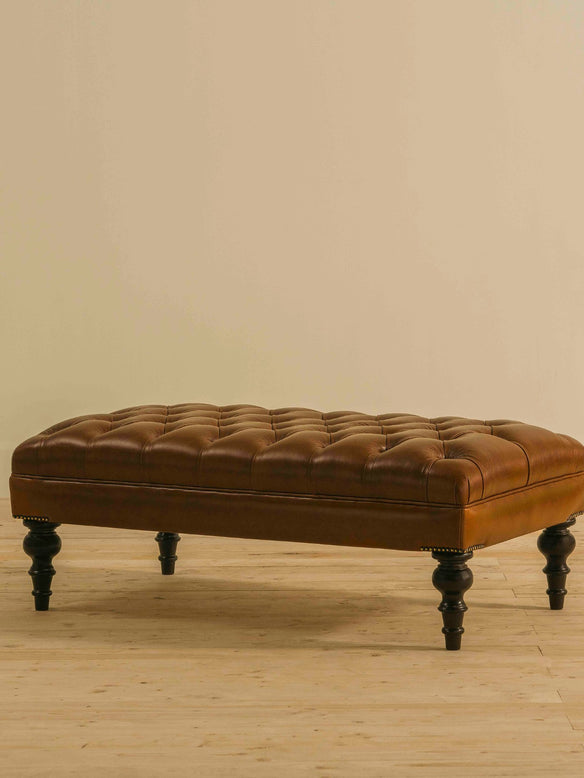
Its form was intentional: upright enough for formality, deep enough for comfort, and robust enough to signal permanence. Over time, these qualities evolved into visual shorthand for authority and refinement.
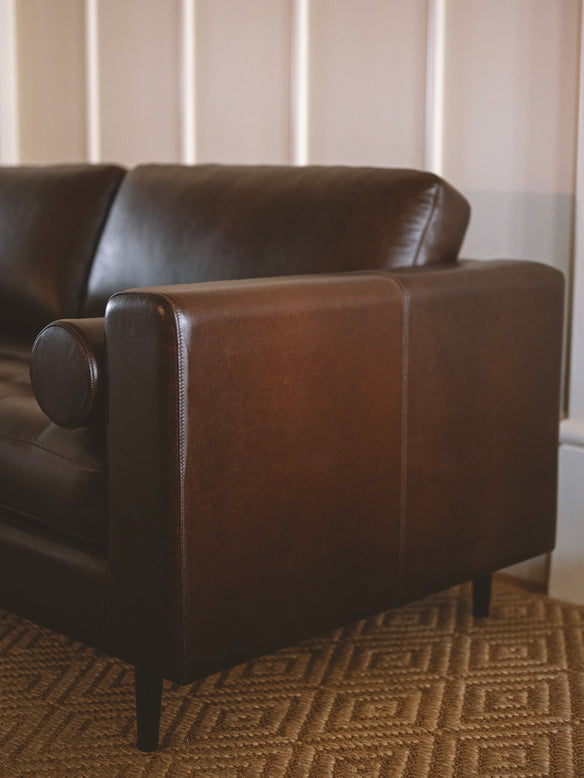
This is why, on screen, Chesterfield continues to signal leadership. Its deep buttoning, structured arms, and leather that ages with character evoke confidence and control. The viewer may not consciously register it, but they feel it.

When Furniture Becomes Narrative
When a character sits on a Chesterfield, they are not simply taking a seat. They are being placed with intention. The sofa reinforces their presence before dialogue ever begins. It frames moments of power, reflection, and decision-making with quiet assurance.
In cinema, as in life, the Chesterfield remains a piece that understands its role. It does not demand attention, it commands it through presence alone.
And perhaps that is why Chesterfield continues to appear, decade after decade, across eras and genres. Because some designs do more than furnish a room. They help tell the story.